About Us
We are now part of the Rossendale Team of nine parishes forming a Mission Community within the Bury and Rossendale Deanery

St Mary's remains Biblically orthodox in its Christian faith (as defined in the '39 Articles of Faith and the historic formularies of the Church of England). Jesus is Lord of every area of our shared and private lives.
We're all on a journey of repentance and transformation, it would be great to share with you on the same journey
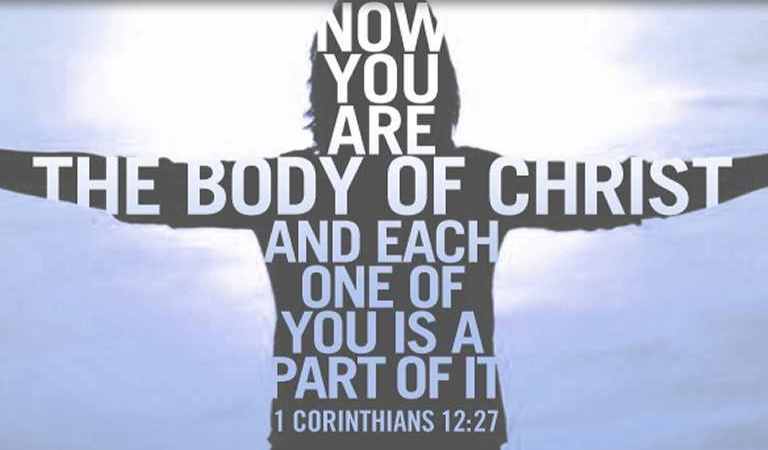
Our Vision
Our vision is:
"To reveal Jesus as we love God and serve others in the power of His Spirit."
Our Purpose
To enjoy fellowship as we worship in Spirit and Truth, grow in discipleship, develop in ministry and deploy in mission

Prayer Request Form
Please submit your prayer requests by completing the box below and clicking Send Prayer Request
Notices
Regular Events
Morning Services
Sunday 11:00AM
Sunday school for children during part of the service
Family Service
1st Sunday of month
Suitable for the whole family to join in or with Sunday school for children
Holy Communion
2nd and 4th Sunday of month
Sunday school for children during part of the service
Morning Prayer
3rd Sunday of month
Mothers' Union
3rd Monday of month 7:30pm
Group for anyone, ladies or men who are interested in the cultivation of family life

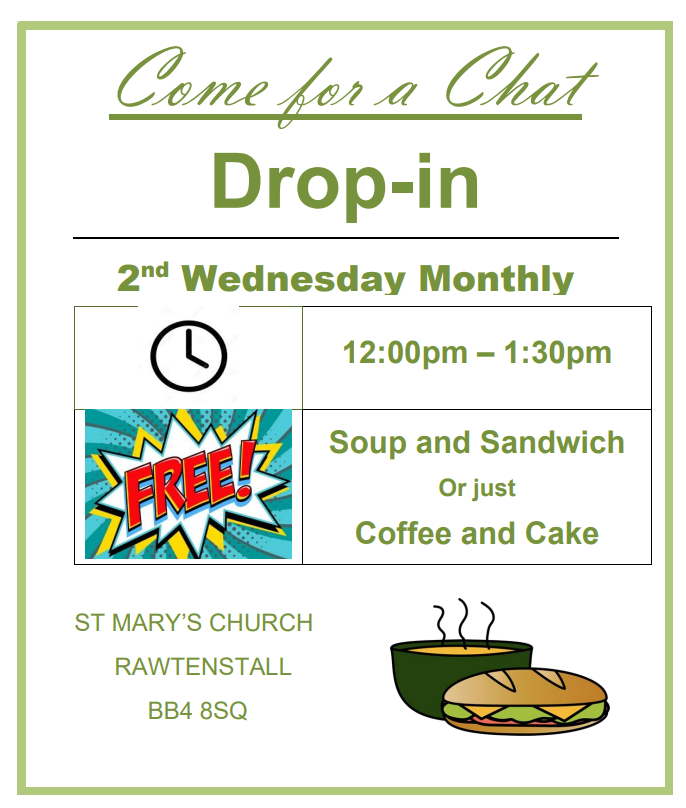
Soup and a Sandwich
2nd Wednesday of month 12:00pm to 1:30pm
Free soup and a sandwich lunch, open to everyone
House Groups/Bible Study
We currently have two groups, please contact church for more details
On-line Service
Church Services
All service Readings and Prayers will be posted here and on our Facebook page.
Prayers
18th October 2026 byNigel
Lord as we continue our journey through Exodus. Lord, we pray all nations shall come and worship you, that through Jesus, we may all share the feast of your Kingdom. Great and wonderful are your deeds. O God, the creator and preserver of all mankind, we pray for people of every race, and in every kind of need: make your ways known on earth, your saving power among all nations. We pray for the poor, sick, the homeless, destitute, refugees, the needy, the afflicted and the weak. We pray for peace on earth, may your Kingdom come and your will be done, Lord in your mercy hear our prayer.
Lord, we pray especially for our families, friends, neighbours open our minds to search for you, open our eyes to see you, and open our hearts to receive your love, this day and forever more. Lord, we pray for our health and well-being, praying and giving thanks for our marriages, our relationships, our family, our friends, our safety and security, for your guidance in our lives. Lord, we pray all these things for your Glory, that we may all, bring pleasure to you our heavenly Father. Lord in your mercy Hear our prayer
Lord we pray that you continue to nurture all children along your righteous path, and we especially pray for St Mary’s school and their Harvest service to be held here next Friday, we pray for all other schools, may the children be blessed through their education, we pray seeds sown with harvest into spiritual growth, we pray for their health and well-being, we pray your protection and guidance to all young people, may they know and seek your righteous path, Lord in your mercy hear our prayer.
We commend to your fatherly goodness all that are anxious or distressed in mind or body; comfort and relieve them in their need; give them patience in their sufferings and bring good out of their troubles. We pray for members of our congregation that are suffering at the present time.
And others known to us personally. We ask that they feel your presence and support.
Lord in your mercy Hear our prayer
O God our maker and redeemer We pray for those who mourn we remember all who have recently died and those whose anniversary of death occurs at this time.
Bring comfort, dear Lord, to all those who mourn. Lord in your mercy Hear our prayer
Father, as we gather up all of our prayers our prayers spoken today, the unspoken prayers of our hearts, our prayers of yesterday and our prayers over the weeks and months to come, our prayers for whom we love, and for those whom we pray this day and forevermore. Rejoicing in the fellowship of all your saints, we commend ourselves and all creation to your unfailing love.
Merciful Father Accept these prayers for the sake of your son Our saviour Jesus Christ
Amen
Today Talk from Jay
18th October 2026
Ex 33:12-23/Matt 22:15-22
The context of the two readings brings together the authority, image and being able to know Our God Personally. Both readings are about having an individual relationship with God.
Moses is in the presence of God once again, this is just after the Golden Calf incident. He has been told to leave Sinai and Moses is enquiring who is to lead out and who to leave behind. Should He leave Aaron behind because of his disloyalty to God.
Because Moses has been in the presence of God and has experienced how wonderful it is. He wants further exposure to it.
Jesus is in intimate touch with the Father constantly. He is able to see exactly what the Father wants Him to do in every situation.
The Pharisees and Herodians disliked each other. But they had a common enemy who they hated more than each other.
This is not a question about taxes but a trap to ensure that Jesus is taken out of the picture and the Two political groups can get back to their own agendas.
Jesus asks to see a denarius (which is the only coin allowed to pay the tax) and asks a question Himself. “Whose image is this?”
These two stories have a theme about an Image. The image of the Golden Calf represents what the Jews can do for themselves through commitment to hard work. The image of Caesar on the coin represents Worldly authority.
Moses had to deal with the Image of the Golden Calf. He is asking God to show Him more of who He is and desires to see His Glory. He wants to keep knowing the God who chose Him even though He thought he was completely washed up.
Jesus is dealing with the image of Caesar. The Pharisees and Herodians are using it to try and get Jesus to say something that would incriminate Himself. Therefore, force the Romans to use the authority of Caesar to throw Him in Prison. Eventually execute Him and so get rid of the threat He posed. (or so they thought)
Because of the relationship that both Moses and Jesus have with Father God and the image that they have of the Father they are able to handle the difficult situations they are facing.
The images of the Golden Calf and Caesars face on the denarius reek of Hypocrisy. The Israelites were looking back to where they had come from and wanted to believe that they could look after themselves and do a better job than God.
The image on the coin that the pharisees and Herodians were using to try and manipulate the Roman Authorities and Jesus. This was to restore their Status and allow them to govern themselves.
Moses was endeavouring that the Image of the Golden Calf would never occur again and the Israelites would follow God through His Guidance because of the close and personal relationship that Moses was trying to develop.
Jesus answered the tax question with what the world requires of you (taxes, law abiding – as long as it does not go against the word of God, peaceful lives) Render unto Caesar. But more importantly we are created in the image of God, therefore, render our lives unto God. Jesus was saying to the evil coalition of Men. Your relationship is more important than your Status.
How does this affect those of us who know Jesus as Our Personal Saviour. We are not only created in the image of Our God, but we also now have Him living on the inside of us. Through the Holy Spirit we can listen and hear what we can render unto the world around us and unto Jesus on a daily basis. So, showing those around us that we serve the ONE TRUE LIVING GOD and glorify Him.
NOW THAT’S WHAT I CALL REALLY GOOD NEWS
Communion Reflection
This is a short Communion Reflection that you can join at any time. There is a quiet period within it that you can pause if you want a longer period of reflection
Safe Guarding Policy
At St Mary’s, Rawtenstall we work hard to maintain a safe environment for all. We are committed to implementing the House of Bishops’ safeguarding policies and good practice guidance.
If you have any concerns or enquiries regarding safeguarding, please contact our safeguarding officer.
- Parish Safeguarding Officer: Vicky Rhodes
- Phone: 01254 389589
A hard copy of the ‘Manchester Diocese Safeguarding Handbook’ and the ‘Church of England – Parish Safeguarding Handbook’ are available for inspection in the vestry at St Mary’s.
The Diocesan Safeguarding Adviser is Abbey Clephane-Wilson, she can be contacted at
- Email: safeguarding@manchester.anglican.org
- Phone: 0161 828 1465
- Mobile: 07384 460958
Out of Hours Support
The Diocese of Manchester partners with thirtyone:eight and you can access their Safeguarding Helpline if the Diocesan Safeguarding Adviser is unavailable. Thirtyone:eight can be contacted on 0303 003 1111.
This also includes any safeguarding queries outside of office hours on weekdays and weekends. An Information Sharing Agreement between the two organisations will allow the Diocesan Safeguarding Adviser to receive a copy of the advice thirtyone:eight may offer the caller.
In the case of an emergency
If you have immediate concerns about the safety of someone, please contact the police and your local authority Children or Adults Service. Lancashire County Council on 0300 123 6720 or outside of working hours 0300 123 6722
Helplines
NSPCC Child Protection Helpline: 0808 800 5000 (lines free and open 24 hours).
- Child-line: 0800 1111 (lines free and open 24 hours).
- Parent Line: 0808 800 2222
- National Domestic Violence Helpline: 0808 2000 247 (lines free and open 24 hours).
- Samaritans Helpline: 116 123 (open 24 hours).
- Action on Elder Abuse Helpline: 080 8808 8141 (freephone Monday to Friday 9-5pm)
Facts
Some interesting facts about St Mary's Rawtenstall
Year Opened
Average Congregation
Downstairs Capacity
Electoral Roll (2020)
Activities
- All
- Adults
- Scouts
- Guides


Mothers Union
3rd Monday, 7:30pm
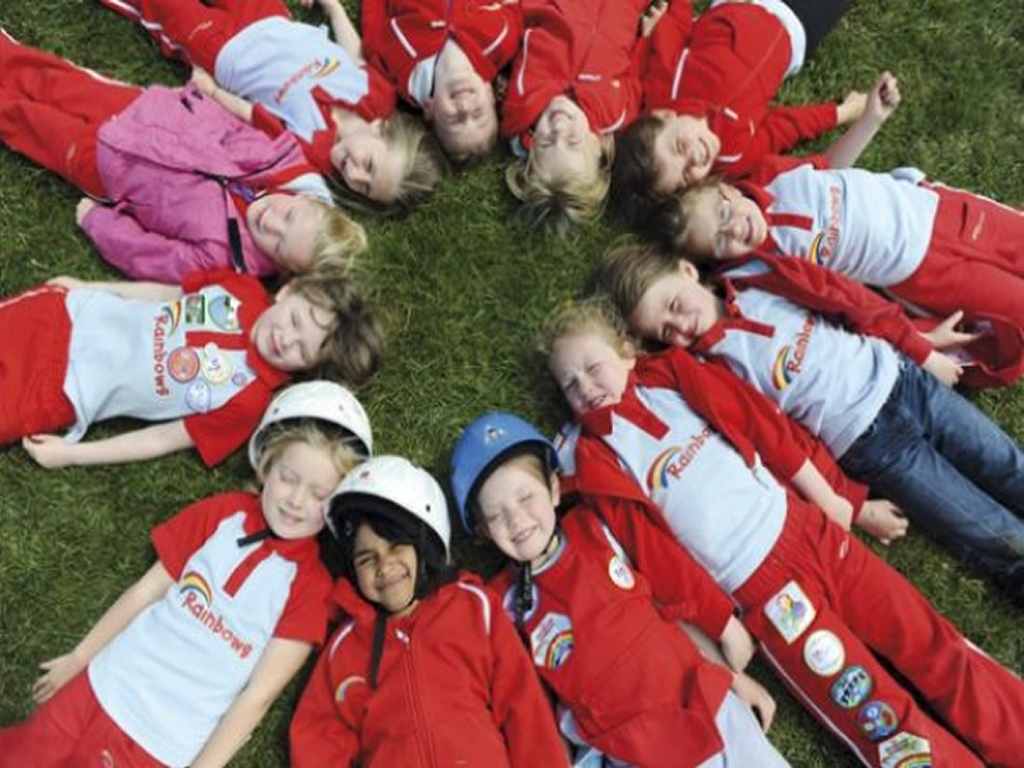

Rainbows
Monday, 5:30pm


Ladies Fellowship
Alt. Wednesday, 2:00pm
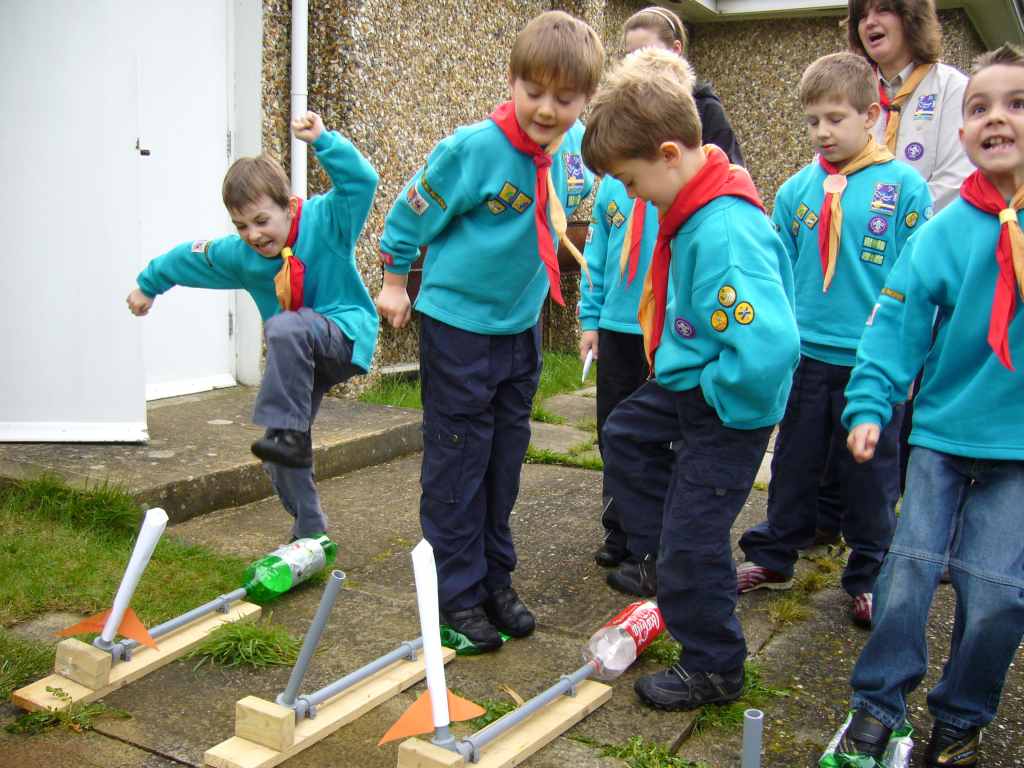

Beavers
Wednesday, 6:15pm
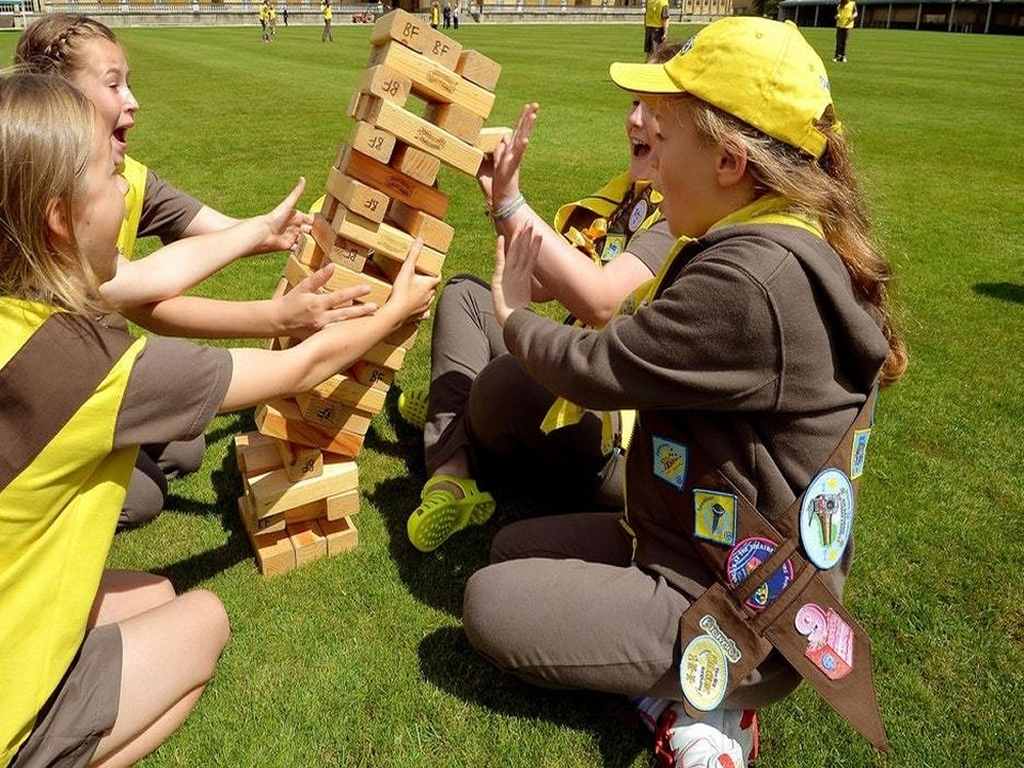

Brownies
Monday, 6:30pm


Mens Breakfast
1st Saturday, 8:15am
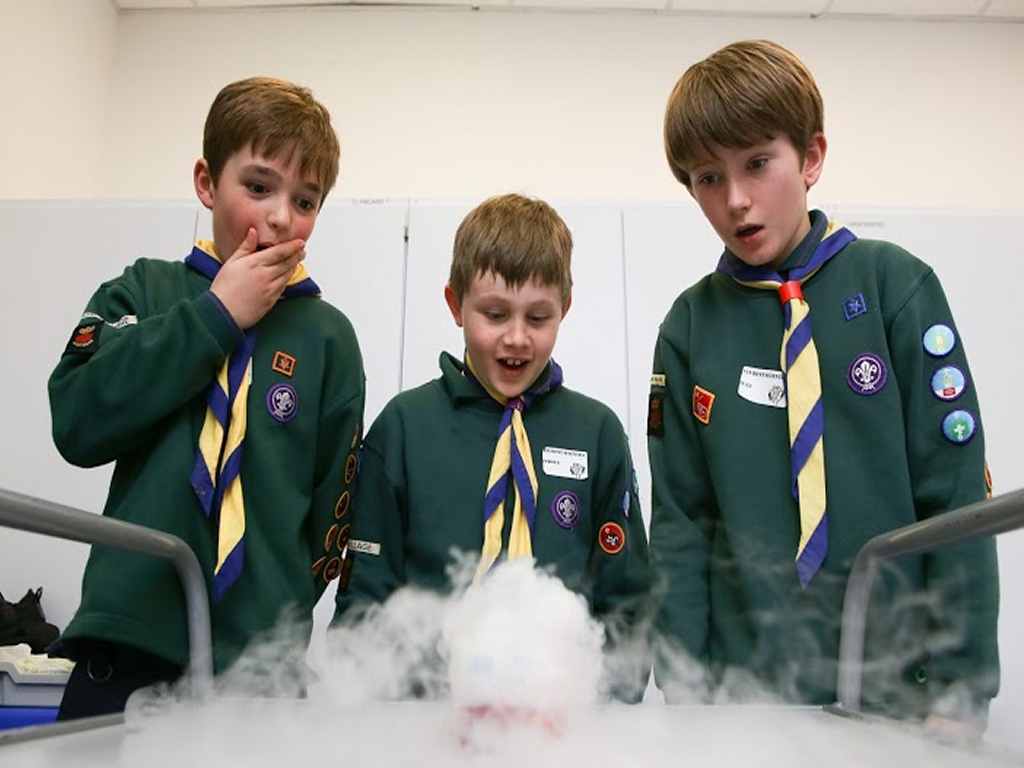

Cubs
Tuesday, 7:00pm
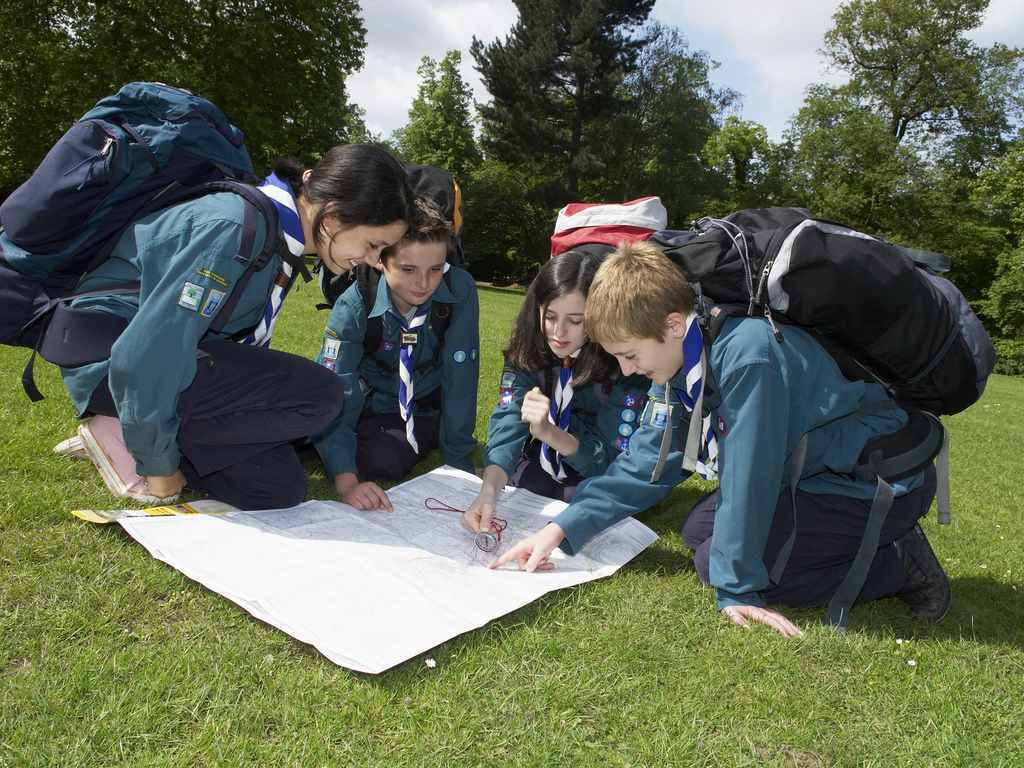

Scouts
Thursday, 7:30pm


Guides
Monday, 7:30pm
Our Churches/Friends





Team
Meet the team of people at St Mary's who keep the building functioning, but the real church is not the building but the people who use the building.

Revd Samuel Hameem
Team Vicar in the Rossendale TeamRevd Samuel Hameem
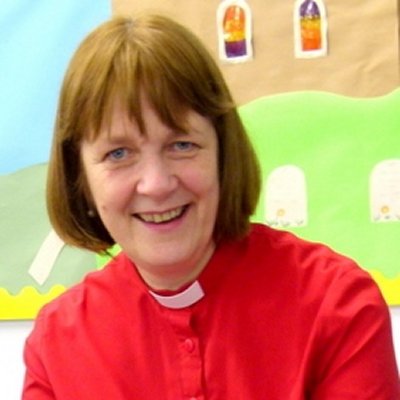
Julie Barratt
Associate MinisterJulie Barratt

Pete Terry
Church WardenPete Terry

Jean Lang
Church WardenJean Lang
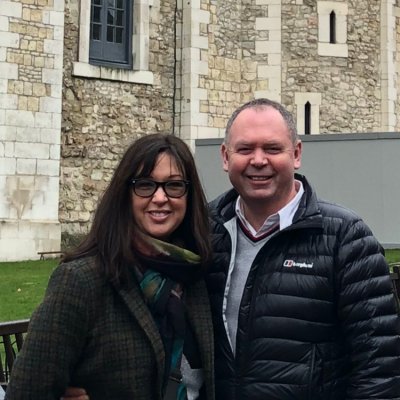
Nick and Suzanne
Childrens WorkSuzanne & Nick
Contact Us
Please contact us if you need any further information, or clarification of services/times. We will try and get back to you as soon as possible.